Trauma and Moral Injury in First Responders
Clinical Applications of Effective Care
Public safety professionals face repeated high-stress incidents that impact functioning and identity. Beyond trauma, many experience moral injury-distress tied to guilt, responsibility, and value conflict. This training helps clinicians distinguish trauma, PTSD, cumulative stress, and moral injury in first responders, examine effects on regulation, sleep, substance use, and relationships, and apply culturally competent, practical strategies-such as responsibility vs. outcome mapping, regulation skills, and realistic treatment planning-to support effective, sustainable care.
Learning Objectives
• Differentiate trauma, PTSD, cumulative stress, and moral injury in public safety.
• Identify key moral injury drivers (e.g., responsibility, survivor guilt, decision burden).
• Recognize limits of traditional trauma models with first responders.
• Apply culturally competent tools (mapping, containment, regulation).
• Assess impacts on functioning (regulation, sleep, substance use, relationships).
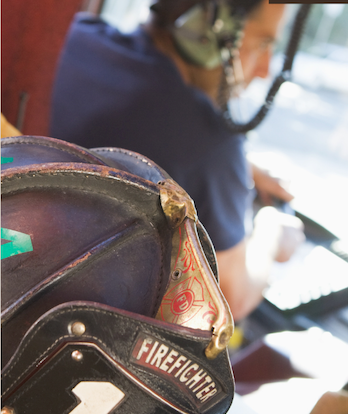
Practical Strategies
Learn effective, sustainable care techniques tailored for first responders.
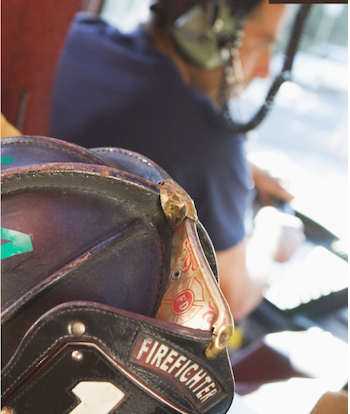
Cultural Competence
Understand the unique challenges and stressors faced by public safety professionals.
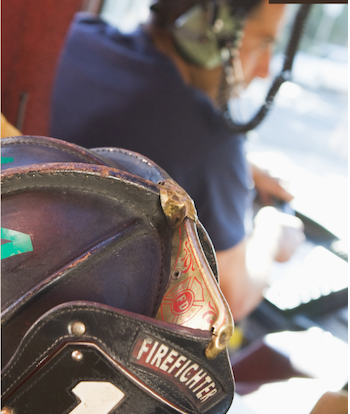
Realistic Planning
Equip yourself with realistic treatment planning skills for better patient outcomes.
Imagine a world where you can effectively support our first responders.
Sign up now to gain the skills needed to make this dream a reality.
Who is this course for?
What will I learn from this course?
Justitia Foundation has been approved by NBCC as an Approved Continuing Education Provider, ACEP No. 7686.
Programs that do not qualify for NBCC credit are clearly identified. Justitia Foundation is solely responsible for all aspects of the programs.